Waking Up Your Brand: The Allure of the Coffee Time Aesthetic
There is a universal language spoken in the hum of a grinder and the clink of ceramic on saucer. It is the language of morning rituals, of late-night study sessions, and of the cozy corner cafe that serves as a second office. For designers and entrepreneurs, capturing this specific feeling—that blend of warmth, energy, and sophistication—is a powerful way to connect with an audience. This is where a thoughtfully crafted design asset moves beyond mere decoration. It becomes a storyteller. The "Coffee Time" design is not just a collection of letters and imagery; it is a visual shorthand for comfort, community, and the creative spark that comes with a good brew. Its appeal lies in its ability to be both nostalgic and modern, personal and universally understood.
More Than Just a Mug: Deconstructing the Design's Visual Language
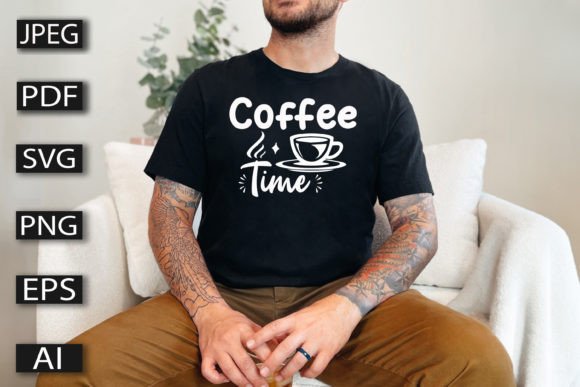
At its core, this design package is a study in balanced contrast. It masterfully blends two distinct typographic voices to create a harmonious and dynamic composition. The primary "Coffee Time" lettering often employs a bold, expressive script or a textured display font that feels handwritten and personal. This style evokes the artisanal, the handcrafted, and the human touch—perfect for conveying warmth and authenticity. Juxtaposed against this is often a cleaner, more structured sans-serif or serif typeface used for supporting text or details. This combination ensures readability while maintaining a strong personality. The visual elements—a stylized cup, swirling steam, coffee beans, or elegant flourishes—are integrated directly into the letterforms, making the text and iconography inseparable. This fusion creates a single, cohesive mark that is instantly recognizable and rich with detail, a hallmark of a premium font package in a visual context.
The real strength for a creative professional lies in the versatility bundled into the download. Receiving the design in SVG, PDF, JPEG, PNG with transparency, EPS, and AI formats is not just a list of file types; it's a toolkit for every conceivable application. The vector formats (SVG, EPS, AI) are the workhorses. They allow you to scale the design to the size of a billboard or a postage stamp without losing a single pixel of clarity. This is non-negotiable for professional logo design and large-format print materials like posters and banners. The transparent PNG is a lifesaver for digital work, allowing you to layer the design over any background in social media graphics, website headers, or blog post images without a cumbersome white box. The PDF ensures your vision is preserved for print-ready files, whether for packaging mockups or invitation suites. Having all these in one organized ZIP file means you spend less time wrestling with file conversions and more time creating.
From Screen to Stitch: Practical Applications Across Industries
Imagine a small-batch coffee roaster looking to establish a brand identity. The "Coffee Time" design becomes the cornerstone. It can be adapted for their logo, ensuring the brand feels both expert and approachable. This same mark can then live on their packaging—on the bag label, the box sleeve, and the thank-you card tucked inside. For their social media graphics, the design's inherent energy makes for eye-catching Instagram stories and Facebook posts announcing a new blend or a weekend tasting event. The visual consistency achieved by using this single, well-designed asset across all touchpoints builds immediate brand recognition and trust.
Beyond coffee shops, the applications are surprisingly broad. Consider these real-world uses:
- Merchandise & Apparel: This is the design's native habitat. For a t-shirt line, hoodie, or tote bag, the typography and imagery are built to stand out. It's ideal for print-on-demand businesses targeting baristas, coffee lovers, or the general "cozy aesthetic" market.
- Editorial & Blog Design: A food blogger or lifestyle writer can use the design as a recurring header for a "Morning Brew" column or a featured image for articles about cafe culture. It sets a thematic tone instantly.
- Event Marketing: Planning a coffee festival, a book club meeting at a local cafe, or a creative workshop? The design translates beautifully onto posters, digital flyers, and invitation graphics, setting the mood before a single word of copy is read.
- Digital Products & Marketing Assets: Use it as a watermark on photography presets, as a decorative element in a printable planner, or as part of a cohesive set of social media templates for sale. The included editable files make customization for these digital products straightforward.
- Packaging & Label Design: For a small business selling baked goods, chocolate, or even artisanal soaps with coffee scents, this design can be adapted to create labels that communicate a handcrafted, gourmet quality.
Making It Work: Strategic Considerations for Your Project
While the design is visually compelling, its effectiveness hinges on thoughtful implementation. The first step is to consider your project's core goal. Is it to evoke a vintage, rustic feel? A clean, modern one? The "Coffee Time" design has a distinct personality, so ensure it aligns with your brand's voice. If your brand is ultra-minimalist, you might use only a single element from the design, like a stylized coffee cup icon, rather than the full typographic lockup.
Font pairing, even when working with a pre-designed asset, is a critical consideration. If you need to add additional text—a slogan, a date, location information—choose a typeface that complements rather than competes. The design often includes a secondary, simpler font style within its package for this very purpose. Test pairings by placing your chosen font next to the "Coffee Time" element. Do they fight for attention, or do they create a pleasing hierarchy? A clean sans-serif like Montserrat or a classic serif like Playfair Display can often provide a stable, readable foundation that lets the main design shine.
Readability is paramount, especially for merchandise. Examine the design at the intended scale. Will the intricate details of the script be lost on a small pocket print? In such cases, you might use a simplified version or focus on a bolder weight. Always review the included font styles and variations provided in the download. You may find alternates, ligatures, or swashes that offer a better fit for your specific layout or improve legibility.
Finally, a note on commercial licensing. While this article discusses a design asset, the principle is the same as with any premium font or typeface. Before using the "Coffee Time" design on products for sale, you must verify the license that comes with your download. A standard license typically covers a certain number of physical end products (like t-shirts) or digital end products (like templates). If you plan to use it for a large client project or a mass-produced item, an extended commercial license may be required. This isn't just legal housekeeping; it's about respecting the work of the original creator and ensuring your business is built on a solid, ethical foundation.
The true value of a design like this is its ability to save you time while elevating your creative output. It provides a professionally crafted starting point that you can customize, adapt, and make your own. Whether you're building a brand from the ground up, launching a new product line, or simply adding a touch of caffeinated charm to your next blog post, having a versatile, high-quality asset in your toolkit transforms how you communicate visually. It allows you to speak the language of coffee culture fluently, connecting with your audience on a level that feels both familiar and excitingly fresh.