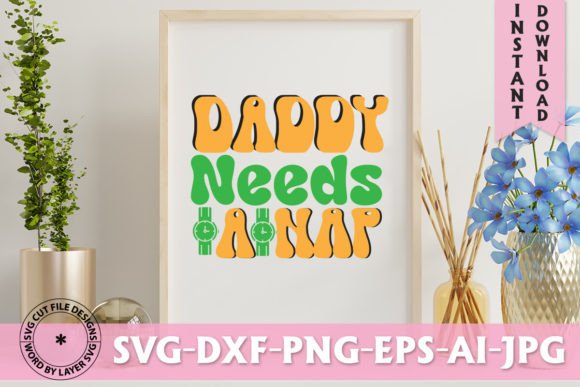
Daddy Needs a Nap Retro Design: Vintage Charm for Modern Projects
There's something undeniably magnetic about a design that feels both nostalgic and fresh. The Daddy Needs a Nap Retro Design captures that sweet spot where mid-century typography meets contemporary humor, creating a visual language that resonates across generations. Whether you're building a brand identity, launching a product line, or crafting social media content that actually stops the scroll, this retro-inspired design offers versatility that few vintage aesthetics can match.
What sets this particular design apart isn't just its playful personality—it's the thoughtful execution behind every curve and character weight. The letterforms carry that unmistakable warmth of 1950s and 60s advertising, yet they've been refined for today's digital-first workflows. You get the charm of hand-lettered signage without the limitations of actual hand-lettering.
What Makes This Retro Design Stand Out
The visual appeal of the Daddy Needs a Nap Retro Design lies in its balance between boldness and approachability. The letterforms feature subtle rounded edges, slightly condensed proportions, and that characteristic mid-century flair that makes vintage typography so compelling. These aren't just letters slapped together—they're carefully crafted design elements that communicate personality the moment someone sees them.
Retro design styles have experienced a massive resurgence in recent years, and for good reason. They evoke trust, authenticity, and a sense of craftsmanship that modern minimalist aesthetics sometimes struggle to convey. When you pair that emotional resonance with clean, professional execution, you get a design asset that works across an impressive range of applications.
The color palette possibilities alone make this design worth exploring. Think muted earth tones for a sophisticated take on nostalgia, or bold primaries for something that channels classic diner signage. The design adapts beautifully to both approaches, giving you creative freedom without sacrificing visual coherence.
Practical Applications That Actually Work
Let's talk about where the Daddy Needs a Nap Retro Design genuinely shines. Branding projects benefit enormously from retro typography because it communicates heritage and reliability—qualities that help new businesses establish credibility quickly. A coffee roaster, craft brewery, barbershop, or boutique clothing line could build an entire visual identity around this design aesthetic.
Packaging design is another natural fit. Products sitting on crowded shelves need typography that communicates character instantly. The vintage feel of this design suggests quality ingredients, careful production, and attention to detail—all before a customer reads a single word of copy.
Social media graphics deserve special mention here. Platforms like Instagram and Pinterest reward visual distinctiveness, and retro-styled content consistently outperforms generic templates. The Daddy Needs a Nap Retro Design gives your posts a recognizable visual signature that followers start associating with your brand over time.
Consider these additional applications where this design approach delivers real results:
- Logo design for startups wanting personality without sacrificing professionalism
- Website headers that establish mood and brand voice immediately
- Blog graphics that encourage sharing and bookmarking
- Print materials like business cards, flyers, and postcards
- Poster design for events, promotions, or decorative purposes
- Merchandise including t-shirts, mugs, tote bags, and stickers
- Invitations for parties, weddings, and corporate events
- Editorial layouts for magazines, zines, and digital publications
- Digital products such as printable art, planners, and worksheets
- Marketing assets including email headers, banner ads, and presentation slides
Getting the Most From Your Design Files
One of the most practical aspects of the Daddy Needs a Nap Retro Design is what you actually receive. This is a digital download only—no physical product ships to your door. Instead, you get immediate access to a comprehensive file package that covers virtually every design software and cutting machine on the market.
Your download includes a .zip file containing six distinct file formats, each serving a specific purpose in your creative workflow:
- SVG File – Word-by-layer vector format fully compatible with Cricut machines and similar cutting systems
- EPS File – A versatile vector format that scales infinitely without quality loss, perfect for professional print production
- PNG File – High-resolution 300 DPI raster image with a transparent background, ideal for layering in digital projects
- DXF File – AutoCAD-compatible format for technical applications and certain cutting machines
- Ai File – The Adobe Illustrator source file, giving you full editing capabilities for customization
- JPEG File – A preview image for quick reference and sharing with clients or collaborators
This multi-format approach means you're covered whether you're designing in Adobe Illustrator, editing in Inkscape, cutting vinyl with a Silhouette machine, or building layouts in Adobe Photoshop. The SVG and EPS formats ensure crisp results at any size, while the PNG file handles quick digital placements without background removal headaches.
Matching Typography to Your Project Goals
Choosing the right design style for your project requires thinking beyond personal preference. The Daddy Needs a Nap Retro Design works best when your project calls for warmth, personality, and a touch of playful nostalgia. It's particularly effective for brands targeting adults aged 25-45 who appreciate vintage aesthetics but expect modern polish.
Testing your design choices before committing to a final layout saves time and prevents costly revisions. Place your retro design elements alongside your existing brand colors, photography style, and supporting typography. Do they complement each other or compete for attention? The best design systems feel cohesive rather than cluttered.
Font pairing deserves careful consideration when working with display-style retro designs. A bold vintage headline pairs beautifully with clean sans-serif body text. Think of the retro design as your attention-grabber—the element that draws eyes and communicates personality—while simpler typography handles the supporting information that needs to be read quickly and clearly.
Readability remains paramount regardless of how visually striking your design might be. Test your layouts at multiple sizes, on different screens, and in various lighting conditions. A design that looks stunning at poster size might lose clarity when reduced for a business card or mobile screen. The vector formats included in your download make scaling adjustments straightforward, so take advantage of that flexibility.
For small business owners and entrepreneurs building brand identities, consistency across touchpoints matters enormously. Using the same retro design language on your packaging, website, social media, and printed materials creates a unified brand experience that customers remember. The multiple file formats included in the Daddy Needs a Nap Retro Design download make maintaining that consistency across different platforms and production methods significantly easier.
Commercial licensing considerations should always factor into your decision-making process. Before using any design asset in products for sale, advertising campaigns, or client work, verify that the licensing terms align with your intended use. This protects both your business and your clients while ensuring you can scale your creative projects without legal complications down the road.
The retro design trend shows no signs of slowing down, and assets like the Daddy Needs a Nap Retro Design give you a head start on creating work that feels both timeless and relevant. Whether you're a seasoned designer looking for fresh inspiration or a business owner taking your first steps into branded content, this design offers a solid foundation for projects that connect with audiences on an emotional level.